01 / 11 The spine
Juniper
Juniperus communis
The spine of English gin in 1783, and still the spine now.
In the glass English gin, as it was.
1783 · 44° · Distilled gin
Truly original.
To taste a cocktail as it was intended, you need a gin that has not changed.
01
English gin, or Holland’s
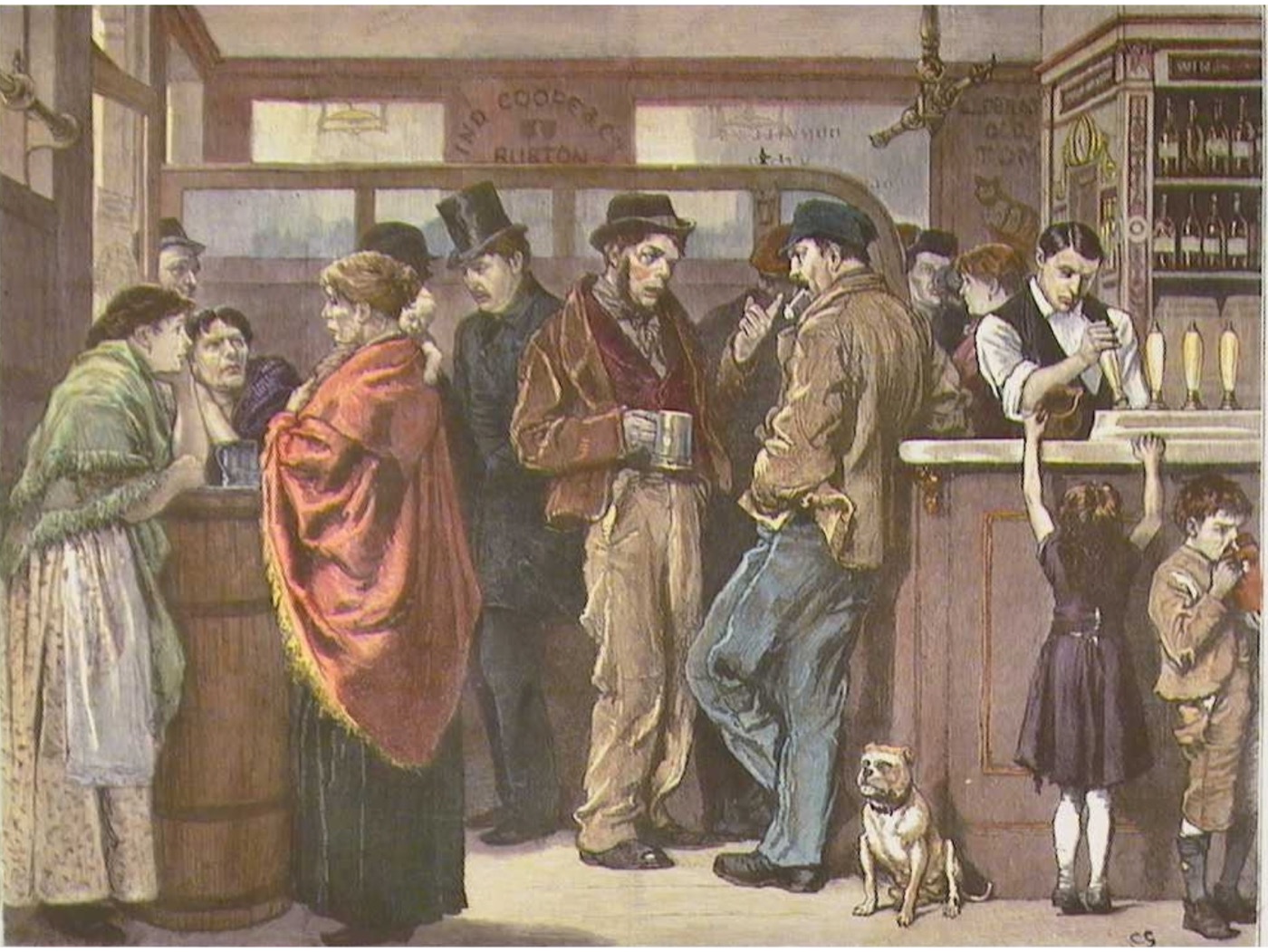
In the 1700s and 1800s the offer was English Gin or Holland’s — what we now call jenever. English gin took names of its own: Old Tom, Young Tom, or the distiller and the town.
Booth’s, Gordon’s, Warrington, Beefeater. The category was named for where it was made, and for who made it. Old English Gin is that idea, kept.
02
The bottle
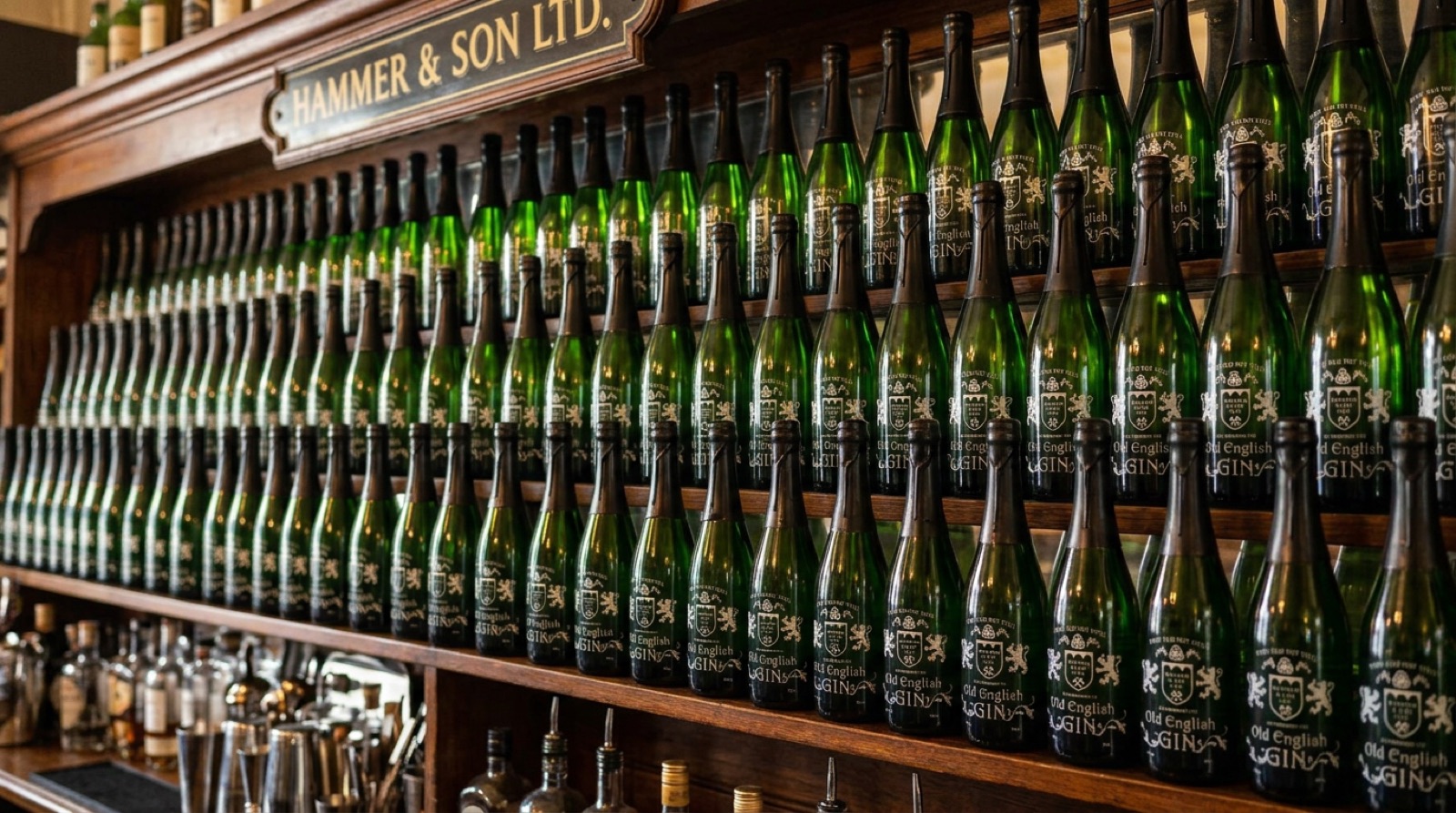
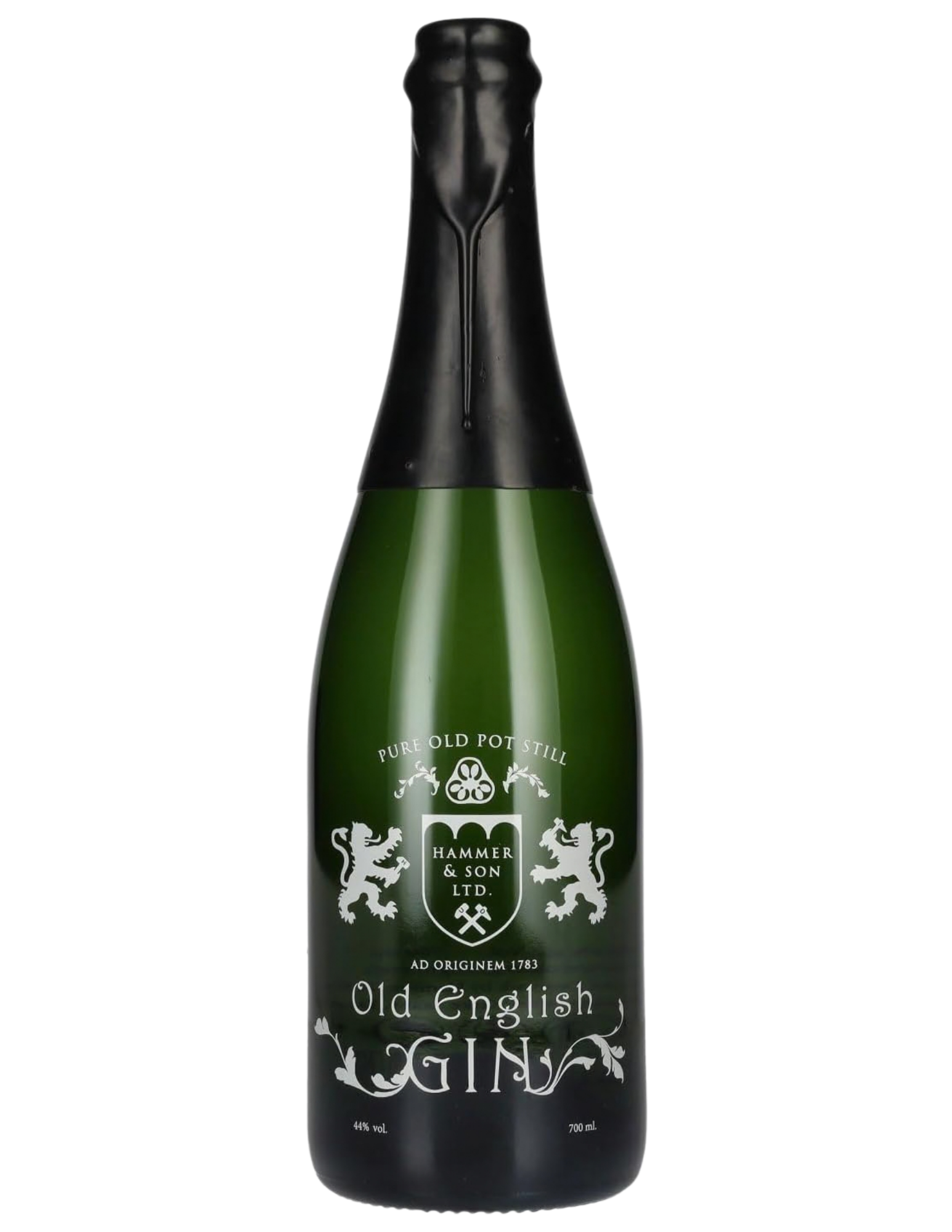
In 1783 England was the largest importer of French champagne, and a gin shop filled the bottle you brought. Old English Gin comes back in that vessel: a champagne bottle, a silk-printed label, a natural cork, and an organic wax you can cut.
Only sugar and water are added after the still. Four grams of sugar in a litre, in the Old Tom manner. The spirit itself is English wheat.
03
The still
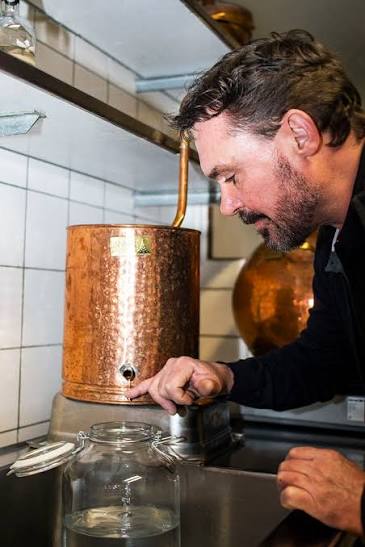
The recipe dates from 1783. Old English Gin was first distilled on Angela — also called Grand Ma — the oldest pot still still working in England.
John Dore built her from some of the last British copper. She stands at Langley, a family distillery of two hundred years. Today Hammer & Son make Old English Gin at Vintre Møller in Denmark, to the same recipe.
04
Eleven botanicals
Juniper, coriander, lemon, orange, angelica, cassia, liquorice, cinnamon, orris root, nutmeg. Cardamom, the eleventh, is distilled apart and only hinted on the bottle — a rounded triangle above the shield.
01 / 11 The spine
Juniperus communis
The spine of English gin in 1783, and still the spine now.
In the glass English gin, as it was.
Drag to turn the wheel · arrow keys
05
As it was intended
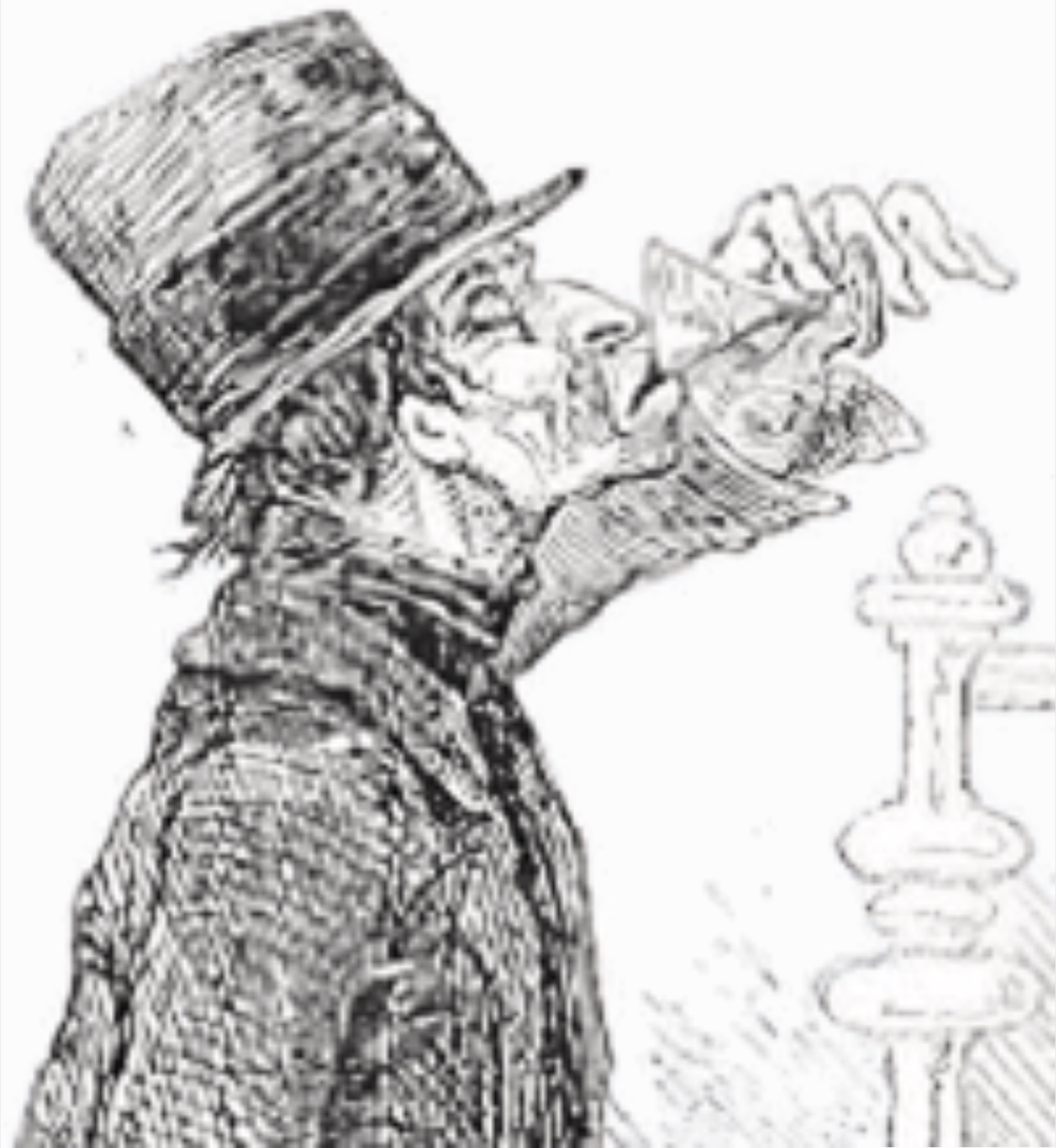
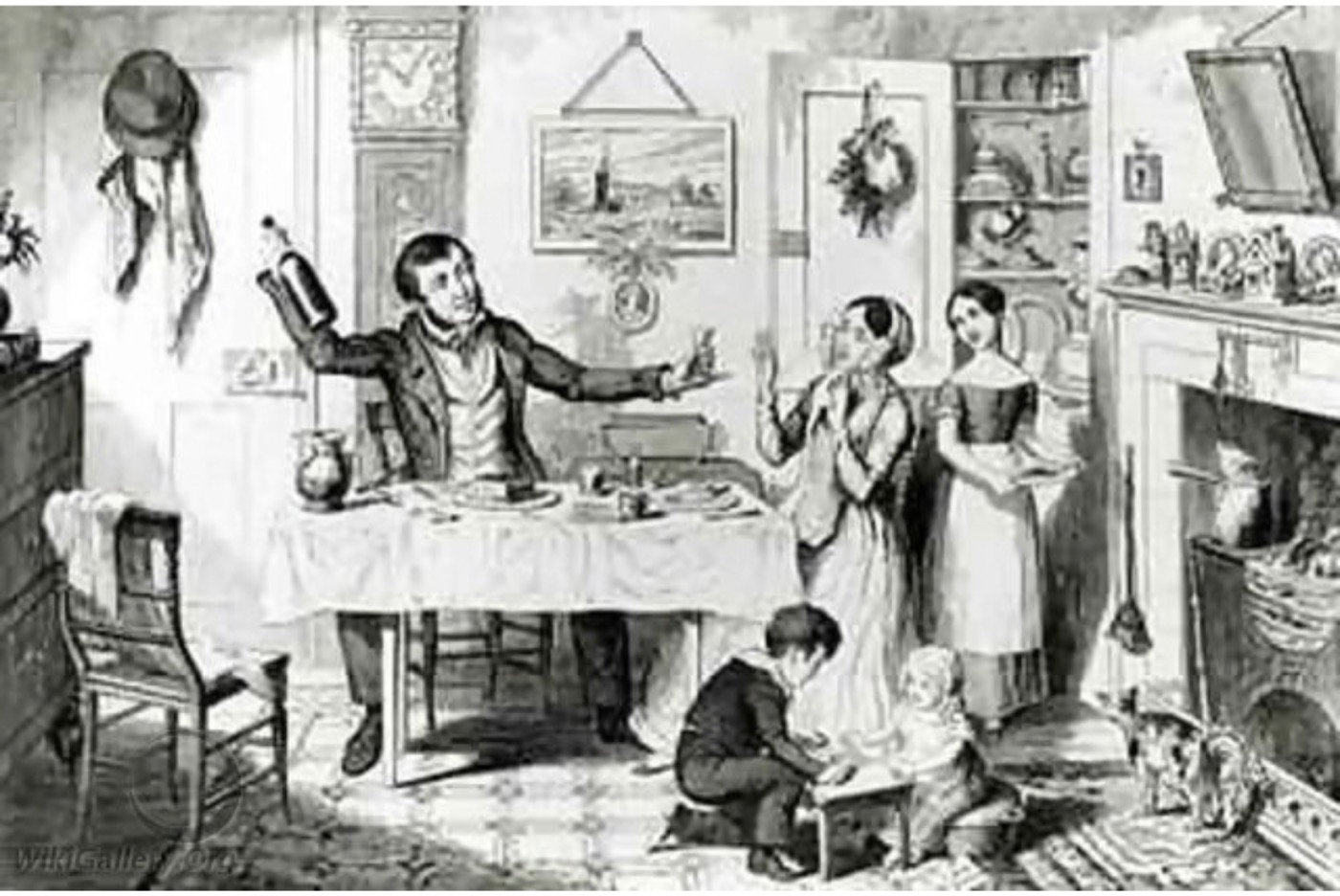
The first recorded use of the word cocktail is in The Morning Post and Gazetteer, London, 20 March 1798. The drinks that follow still ask for an English gin that has not changed.
1860s
Jerry Thomas’s predecessor to the Martini: Old Tom, Italian vermouth, maraschino, Boker’s.
Open the recipe1874
The Collins that took its name from a New York hoax — and still wants Old Tom, not London Dry.
Open the recipe1882
Harry Johnson’s jewel: gin, green Chartreuse, Italian vermouth. An emerald in a glass.
Open the recipe1882
Lime, gin, soda. Colonel Joe Rickey squeezed the lime; Harry Johnson wrote it down.
Open the recipe06
A quiet ledger
World Gin Awards2015 · World’s Best Gin
CLASS Magazine5+ / 5
Eye For Spirits10 / 10
Information6 / 6
GSNA+
Global Packaging Design2013 · Gold and Best in Show
Fifty Best, New York2014 · Double Gold and Best in Show
San Francisco World Spirits2014 · Double Gold
San Diego Spirits Tasting2013 · Gold
NominatedBest Green Launch 2012 · Best New Spirit 2013
01 / 10
07
The house
The aim was a gin as true to its category as it could be, and still fit for the present: careful in the making, sealed with cork and organic wax, the label printed in silk. A bottle used again.
H. Hammer
08
Plainly
An English gin made to a recipe from 1783, with eleven botanicals and English wheat spirit. It is bottled at 44% ABV in a champagne bottle with a natural cork and organic wax, by Hammer & Son.
It was first distilled on Angela, the oldest pot still still working in England, at Langley. Today Hammer & Son ApS (CVR 39190176) make it at Vintre Møller in Kirke Såby, Denmark, to the same recipe.
Lightly. Only sugar and water are added after distillation: four grams of sugar per litre, in the Old Tom manner.
Eleven: juniper, coriander, lemon, orange, angelica, cassia, liquorice, cinnamon, orris root and nutmeg, plus cardamom, which is distilled separately.
In 1783 England was the largest importer of French champagne, and a gin shop filled whatever bottle the customer brought. Old English Gin comes in that bottle, with a silk-printed label, a natural cork and organic wax.
World’s Best Gin at the World Gin Awards 2015; Double Gold at San Francisco World Spirits 2014; Double Gold and Best in Show at Fifty Best, New York, 2014; Gold at the San Diego Spirits Tasting 2013; and Gold and Best in Show at Global Packaging Design 2013.
Recipes from the 1700s to 1935 that ask for an English gin that has not changed: the Martinez, Tom Collins, Bijou, Rickey and more, all on the cocktails page.